
Effective Learning
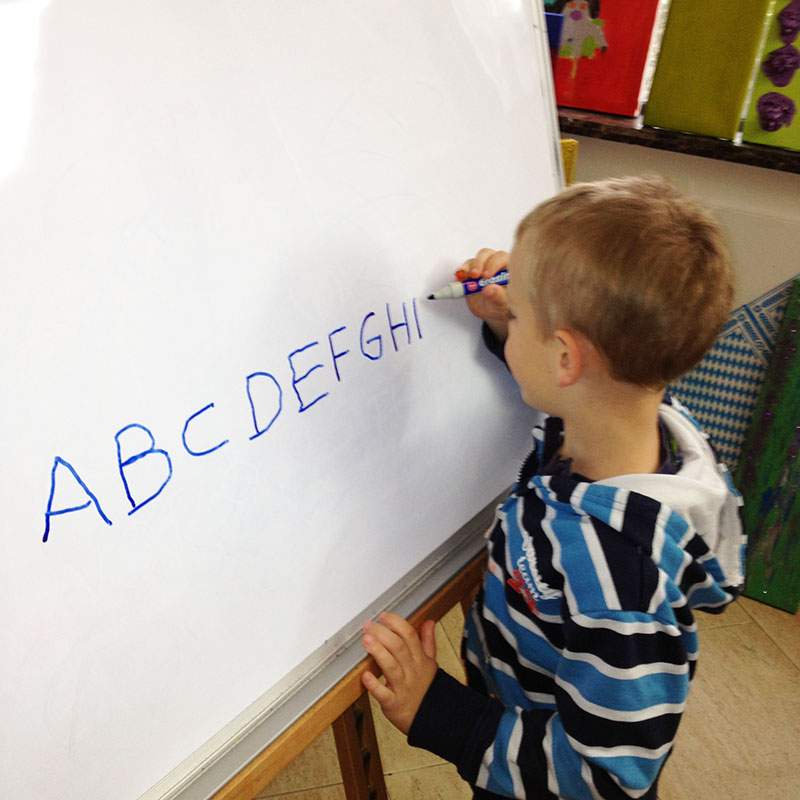
"Effective Learning" is a method that Julie has developed over the years, from her vast experience as an educator.
It combines motivation, concentration on the essentials, and relaxation in a smarter and simpler way.
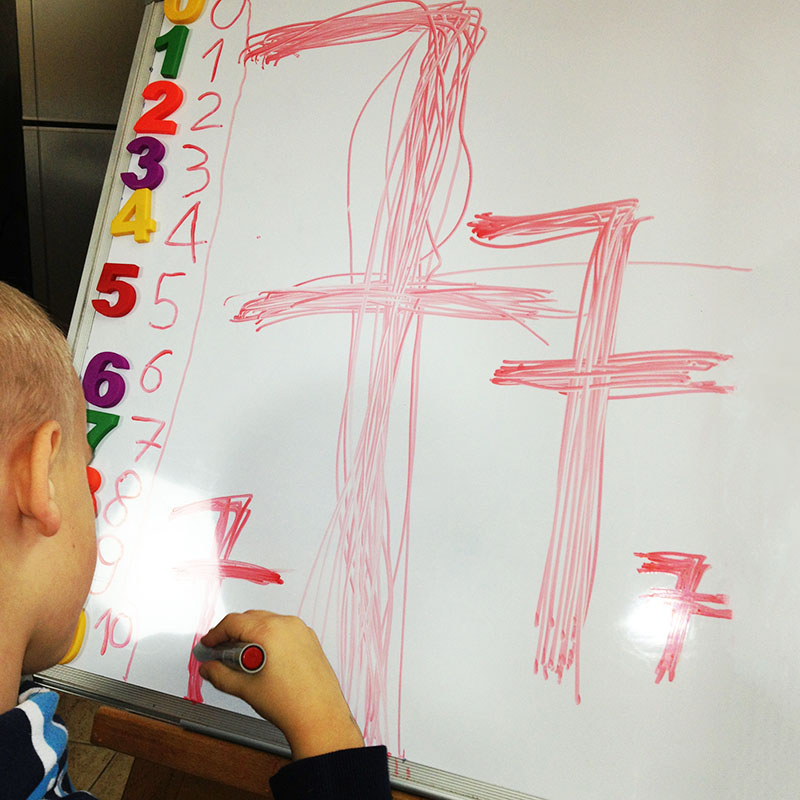
In our experience, children with difficulties in reading or math benefit the most.
"Concentration on the essentials" is to reduce and simplify instructions the core.
This helps children who have problems with overstimulation and distraction.
"Motivation" means there is a "deal" which has been established between child and teacher:
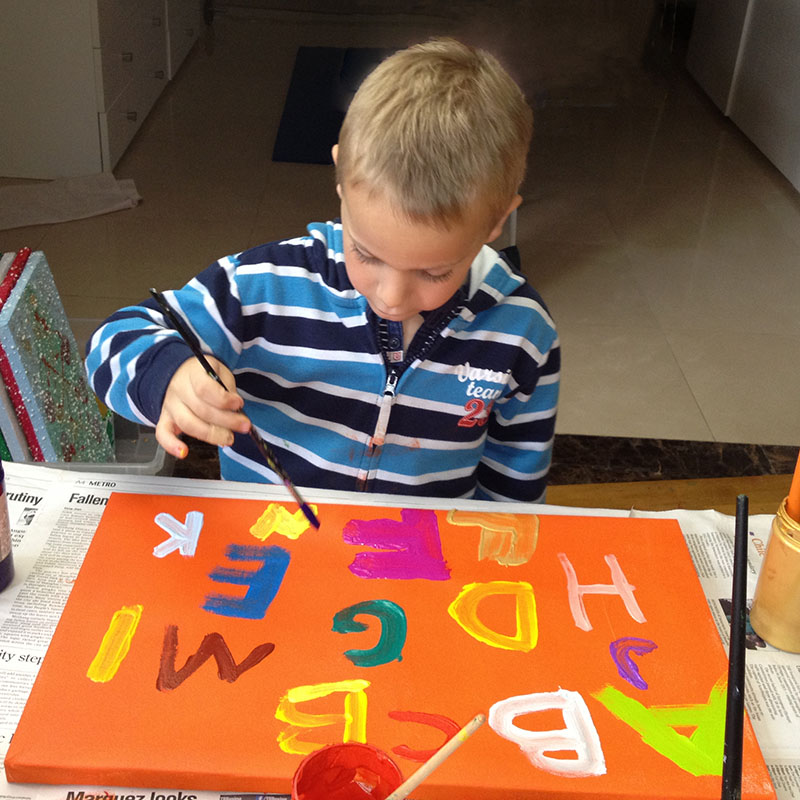
"I will learn well, if I am allowed to do a cool painting afterwards".
"Relaxation" will be found in painting.
In contrast to studying, there is no "must" and "right" and "wrong".
Many parents are happy to see how strong the effects of those three elements are; seeing proud children who feel good about their learning progress and their paintings.
Please contact us, and we will be happy to explain more details about what a program for your child could look like.
It combines motivation, concentration on the essentials, and relaxation in a smarter and simpler way.
In our experience, children with difficulties in reading or math benefit the most.
"Concentration on the essentials" is to reduce and simplify instructions the core.
This helps children who have problems with overstimulation and distraction.
"Motivation" means there is a "deal" which has been established between child and teacher:
"I will learn well, if I am allowed to do a cool painting afterwards".
"Relaxation" will be found in painting.
In contrast to studying, there is no "must" and "right" and "wrong".
Many parents are happy to see how strong the effects of those three elements are; seeing proud children who feel good about their learning progress and their paintings.
Please contact us, and we will be happy to explain more details about what a program for your child could look like.
